
Workshops
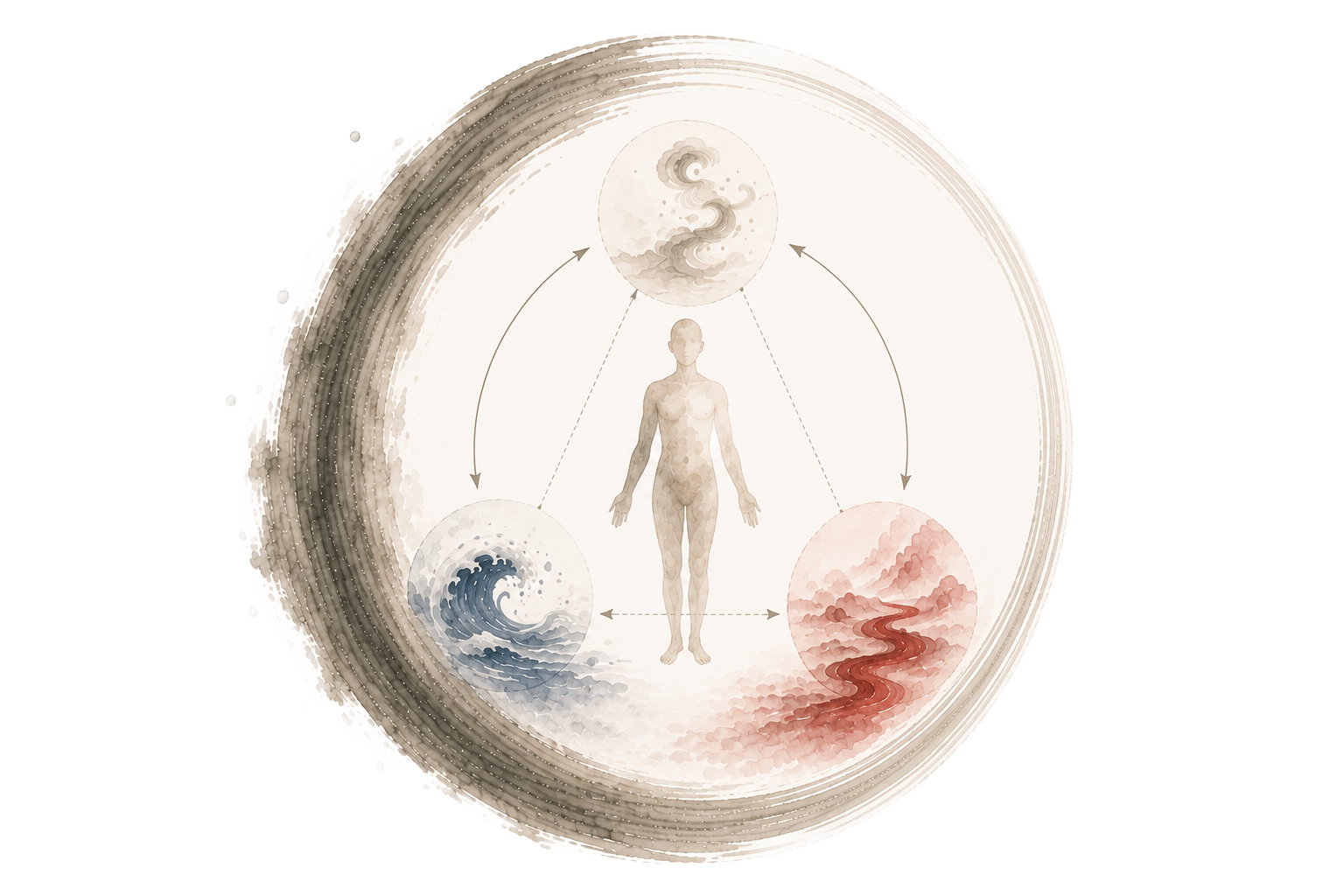
CONSTITUTIONAL ASSESSMENT THROUGH KAMPO & JAPANESE ACUPUNCTURE WORKSHOP
Jan TBD, 2027 New York, NY
This immersive weekend workshop explores constitutional diagnosis through the integrated perspectives of Kampo herbal medicine and Traditional Japanese Acupuncture. Participants will learn to assess and treat patients using the classical framework of Qi, Blood, and Body Fluids, combining Kampo diagnostic principles with Japanese acupuncture palpation, pattern differentiation, and treatment strategies.
Designed to deepen clinical understanding and expand diagnostic skills, the course emphasizes how these complementary traditions inform one another to create individualized, constitutionally based treatment approaches. A collaborative educational offering presented by the Traditional Japanese Acupuncture Institute (TJAI) and the New York Kampo Institute (NYKI).
THE TREATISE ON COLD DAMAGE & ITS LEGACY IN KAMPO MEDICINE
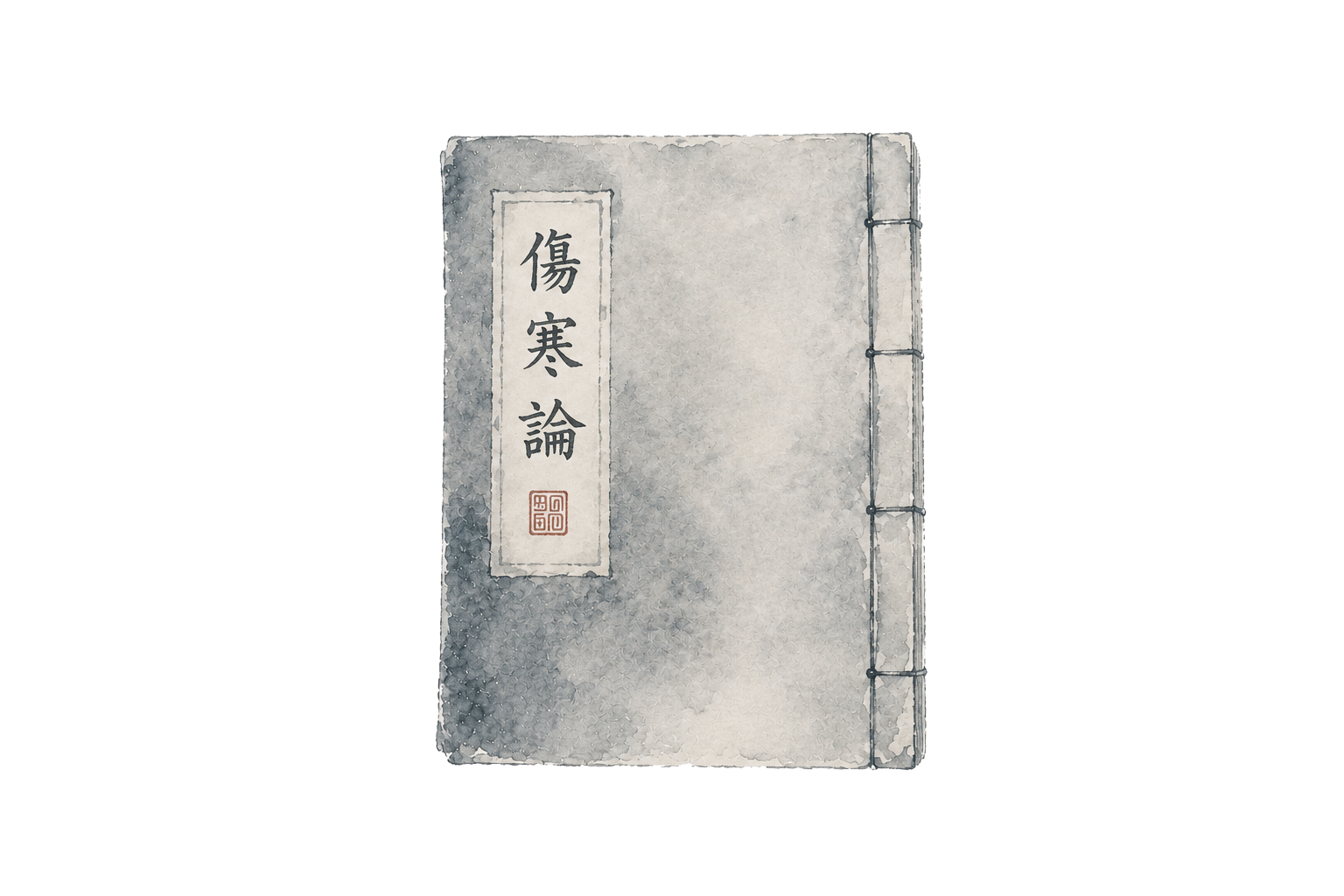
The “Treatise on Cold Damage”, the Sho Kan Ron 傷寒論 (Ch: Shäng hán lùn) and its sister text the Kin Ki Yo Ryaku 金匱要略 (Ch: Jīn Guì Yào Lǜe) by Zhāng Zhòngjǐng張仲景 (150–219) are generally considered to have been the primary classical Chinese source texts to have influenced the development of Kampō Medicine from their early importation into Japan in the 12 th CE right up to the present day. It remains the case after 1500 years of integration of Chinese Medicine into Japan that at least 75% of formulas commonly used in Kampō practice today derive from those texts.
Yet, not only has the original text of the Treatise been lost to posterity, with competing versions emerging over the centuries in China, but in the case of Japan (which originally adopted the Song dynasty version), the Treatise not only enjoyed a major revival, in particular during the Edo period (1603–1867), but was appropriated as the primary source of inspiration for the Classical School or ‘Ancient Formulas Current’ (kohōha 古方派) that developed in late Edo. From the school’s founder, Gotō Konzan 後藤艮山 (1659–1733), to Kagawa Shuan 香川修庵 (1683–1755) and Yamawaki Tōyō 山脇 東洋 (1705–1762) and finally (Yamawaki’s student), Yoshimasu Tōdō 吉益東洞 (1702–1773), successive generations of kohōha doctors exclusively drew inspiration from the Treatise, gradually rejecting some of the foundational doctrines of Chinese Medicine (as articulated in such classics as the Yellow Emperor’s Inner Canon (Huángdì Nèijīng黄帝内経)and preferring instead to return to what they saw as the essence of the medical styles of Chinese antiquity which in their estimation were based on practice not abstract theory.
Thus emerged the doctrine of “Proof” or Shō証 (Ch: Zhèng) in which clinical experience or evidence became the litmus test for the effectiveness of a formula (shinshi jikken 親試実験). Todo in particular re-examined the entire lexicon of classical formulas in the light of their concrete symptomatic manifestation and emphasized the most concrete of all the diagnostic practices of the time – Abdominal diagnosis 腹診Fukushin – making it the mainstay of his re- defined clinical narrative attached to each and every formula, thus making the formula itself the primary diagnostic indicator as well as the treatment method itself. This matching of the method (formula) directly with the patient presentation lies at the heart of Kampō practice to this day.
In this workshop we will examine not only the unique clinical narratives for many of the most common classical formulae as they were re-defined by late Edo Kampō doctors, but also consider their respective place within the landscape and architecture of the Treatise itself. We will define the six stages in practical anatomical, physiological and pathological terms and consider not only the formulas that derive from the text itself, but also multiple commonly used formulas from other periods of both Chinese and Japanese history in terms of how they find a place within this paradigm, despite being written long after the source text itself.
There will, as always, be a practical component to the workshop with hands-on palpation of the abdomen in relation to the identification of formulas from all 6 stages.
In this workshop, you will learn to relate to formulas old and new through the lens of the 6-stages and come to recognize their “stories” through the living, breathing clinical evidence that defines them.
Feb. 6 & 7, 2027 Santa Fe, NM Hosted by THE DESERT HARI SOCIETY
THE ART OF CONSTITUTIONAL ASSESSMENT IN KAMPO & IDENTIFYING CONSTITUTIONAL FORMULA PATTERNS
April. 16 & 17, 2027 Toronto, Canada at ACUPUNCTURE INTEGRATE MEDICINE ACADEMY
In Kampo, the concept of the Pattern, or Sho 証 (Ch. Zheng), is perhaps the most essential fundamental principle that defines both the diagnosis and treatment of disease. We speak of the formula Sho, which includes specific pulse, tongue and abdominal findings as well as the myriad of signs and symptoms that define that particular and unique presenting “pattern”. The totality of all this clinical evidence combined establishes the “proof” (another translation of Sho) of diagnosis and at the same time confirms the treatment strategy – the formula itself. This is the reason so much emphasis is placed on detailed study of the formulas in Kampo since they contain all the necessary evidence in their clinical narrative that precisely defines both diagnostic and treatment strategies.
But what of the patient Sho? In Kampo, when the term is applied to an individual, it defines the patient’s constitutional state which may be fundamentally robust, average or weak. More nuanced constitutional assessment can reveal hot or cold, wet or dry tendencies and when combined with Qi, blood or fluid typing can serve to more precisely characterize a person’s health and disease tendencies as well as provide a clear prognosis as to their likely response to any illness. As such, constitutional assessment forms an essential part of any diagnostic work-up of a patient and critically informs treatment approaches alongside formula pattern analysis. Indeed, each formula used in Kampo treatment includes within its Sho the patient constitution for which that formula is most obviously suited.
Thus, the dual aspects of Patient Constitution 体質証 Taishitsu Sho (Ch. Ti Zhi Zheng) and Disease Pattern 病証 Byo Sho (Ch. Bing Zheng) are given equal emphasis in Kampo practice and both should be carefully studied and thoroughly understood.
This workshop will examine the Kampo definitions of constitutional language and its meaning as well as carefully describing constitutional types, how to recognize them and how to interpret their significance in diagnosis and treatment. Qi, blood and fluid types will be identified along with associated tendencies for wetness, dryness, coldness or heat. Specific subsets of constitutional tendencies such as weak digestion, counterflow and hyper-reactive emotional types will also be discussed.
As always, practical components of the workshop will focus on tactile (abdominal) assessment from a constitutional perspective as well as visual diagnostics. In terms of treatment, a number of commonly used Kampo formulas will also be discussed from a constitutional perspective.
The aim of the workshop is to add a more nuanced appreciation for how constitutional assessment and understanding can powerfully influence clinical decision-making and lead to more consistent, accurate clinical results.
Know your formulas. Know your patient.